

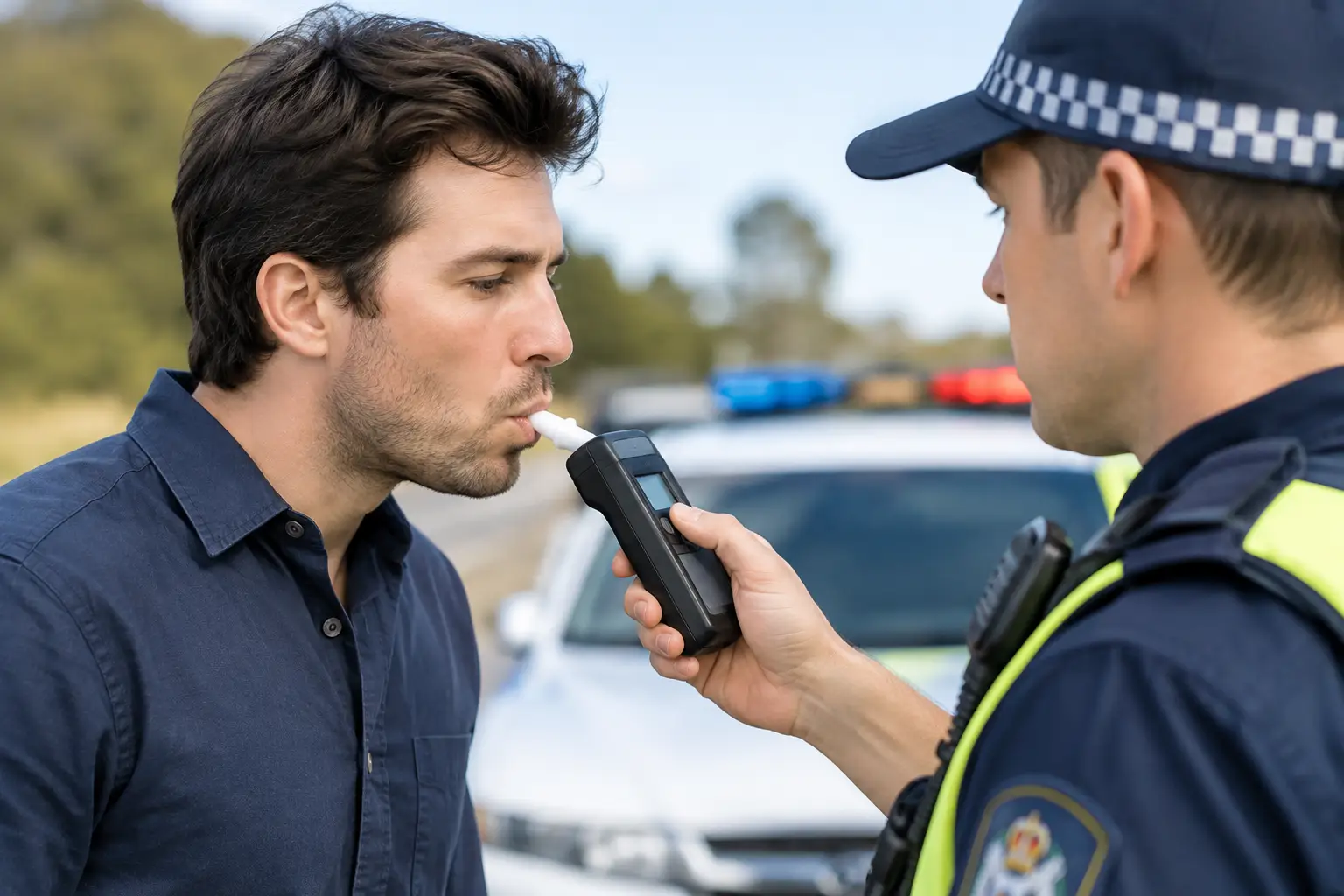
A breath analysis reading can feel like the end of the road, particularly when your licence, work, family responsibilities and reputation depend on being able to drive. It is not. Knowing how to contest breath analysis evidence starts with acting early, preserving the right information and getting clear advice before you make decisions that affect your case.
In NSW, a breath analysis result is often central evidence in a drink driving prosecution, but it is not beyond challenge simply because a number appears on a printout. The prosecution must still prove the charge and rely on evidence obtained and presented according to the law. Whether a challenge is available depends on the facts, the police procedure, the device evidence and your account of what occurred.
What breath analysis means in a NSW drink driving case
A roadside breath test is a preliminary screening process. If police obtain a positive result or otherwise have grounds to require it, you may be taken for a breath analysis at a police station, mobile testing facility or other approved location. The breath analysis is the more formal procedure and generally produces the reading relied upon in court.
The alleged concentration of alcohol determines the category of offence and the potential consequences. Those consequences can include fines, a criminal conviction, licence disqualification, mandatory alcohol interlock requirements and, in more serious or repeat matters, imprisonment. A reading close to a threshold can be particularly significant, but every drink driving allegation deserves careful attention.
A breath analysis certificate is powerful prosecution evidence. It is not, however, a substitute for examining whether the police followed the required process or whether another issue creates reasonable doubt.
How to contest breath analysis evidence
A viable defence is not created by saying you only had a few drinks or that you felt capable of driving. Courts deal with evidence, not general impressions. The strongest challenges are specific, supported by material and tied to a real legal issue.
Examine the police procedure closely
Police powers to require a breath test or breath analysis are governed by legislation. Officers must have a lawful basis for their actions and must follow required procedures. The exact sequence matters: where you were stopped, what police observed, the time of driving, the time of testing, what directions were given and how you responded.
Your lawyer may obtain and scrutinise the police fact sheet, body-worn video, station CCTV, custody records, notebook entries, event logs and certificates. These records can reveal inconsistencies or gaps. For example, an unexplained delay, conflicting accounts of the driving circumstances or a failure to properly establish a key element may affect the strength of the prosecution case.
Not every procedural error will cause a charge to be dismissed. The question is whether the issue has legal significance and whether the prosecution can still prove the offence beyond reasonable doubt. That is why a detailed review, rather than a rushed assumption, is essential.
Test the reliability of the analysis evidence
Approved breath analysis instruments are designed to produce reliable results, and courts will usually treat properly obtained machine evidence seriously. A challenge requires more than speculation that the machine was wrong.
Depending on the case, issues may arise about the instrument’s approval, maintenance or calibration records, the operation of the device, the timing of samples, the identity of the person tested, or the continuity and accuracy of the documents produced. An expert may be appropriate in limited cases, particularly where there is a genuine evidentiary basis to investigate the reliability of the result.
This is a technical area. Raising a weak device argument can distract from a stronger point or lead to unnecessary expense. A good defence focuses on evidence that can actually be tested in court.
Consider whether you were driving or attempting to drive
The prosecution must prove the particular allegation laid. In many matters, identifying the driver is straightforward. In others, particularly where police arrive after an incident or find a vehicle parked, the question of who was driving can be critical.
Comments made at the roadside or police station can become important evidence. Do not try to reconstruct events from memory with police after the fact or contact witnesses to coordinate accounts. Preserve messages, photographs, call records and any other material that may objectively support your version, then obtain legal advice.
Assess timing and alcohol consumption carefully
The time between driving and analysis can matter. Alcohol levels do not always rise and fall in a simple way. Food, the type and timing of drinks, body composition and the period after driving can all affect an individual’s reading.
A claim that you drank alcohol after driving, or that your blood alcohol concentration was different at the precise time of driving, is highly fact-specific and legally complex. It should never be improvised. If there is a genuine issue, tell your lawyer exactly what you consumed, when you consumed it, when you last drove and who can independently confirm the timeline. Accurate information is far more useful than a favourable but unreliable estimate.
What to do immediately after a charge
The first days after being charged are often when important evidence can be lost. Write a private, chronological account while events are fresh. Include the location, time, what you ate and drank, when you drove, who was present, what police said, the testing process and any medical issue that may be relevant.
Keep the documents police gave you, including any court attendance notice, licence suspension notice, analysis certificate and bail paperwork. Take note of court dates and licence conditions. Do not drive if you are suspended or disqualified. A further driving offence can significantly worsen your position, regardless of the outcome of the drink driving allegation.
You should also avoid discussing the facts on social media, in group chats or with people who may later be witnesses. A casual message can be misunderstood, taken out of context or used by the prosecution.
Contesting the charge versus seeking the best sentence
Pleading not guilty and contesting the evidence is different from accepting responsibility and preparing a strong sentencing case. The correct path depends on the evidence, your instructions, the alleged reading, your history and what is at stake for you.
If there is a properly arguable defence, a not guilty plea may lead to a defended hearing in the Local Court. The prosecution must call evidence sufficient to prove the charge. Your legal representative can test that evidence through cross-examination and make submissions about weaknesses or legal defects. If reasonable doubt remains, the charge should not be proven.
If the evidence is strong, an early guilty plea may sometimes reduce the penalty and allow the court to focus on your personal circumstances, remorse, rehabilitation and need for a licence. That does not mean simply turning up and hoping for leniency. References, an apology letter, evidence of counselling or a traffic offender program, employment material and a carefully prepared explanation can all matter, where appropriate.
There are trade-offs. Contesting a charge without a sound basis can risk losing credit for an early plea and prolong the stress and cost of the matter. Pleading guilty too quickly can mean giving up a defence that should have been investigated. Decisive advice based on the actual brief is the protection you need.
Licence suspensions and court dates cannot be ignored
A police suspension can take effect before your case is finalised. In some circumstances, you may be able to appeal a police licence suspension to the Local Court, but strict time limits and eligibility rules apply. The court will not restore a licence simply because driving is inconvenient or difficult. Strong evidence about hardship, employment and the impact on others may be needed, along with a clear assessment of prospects.
Do not assume that a future court date means you can continue driving until then. Read every notice carefully. If you are unsure of your status, obtain urgent advice before getting behind the wheel.
Get advice before choosing your response
A breath analysis case can turn on details that are easy to overlook when you are under pressure. An experienced traffic lawyer can assess the allegation, obtain the prosecution material, identify whether there is a genuine basis to contest it and prepare the strongest available court strategy.
KRAYEM & CO Lawyers represents clients facing drink driving charges across Sydney and NSW, with a focus on protecting their licence, record and future through direct, strategic advocacy. The most useful step is usually the earliest one: get the facts assessed before a deadline passes or an avoidable decision narrows your options.