

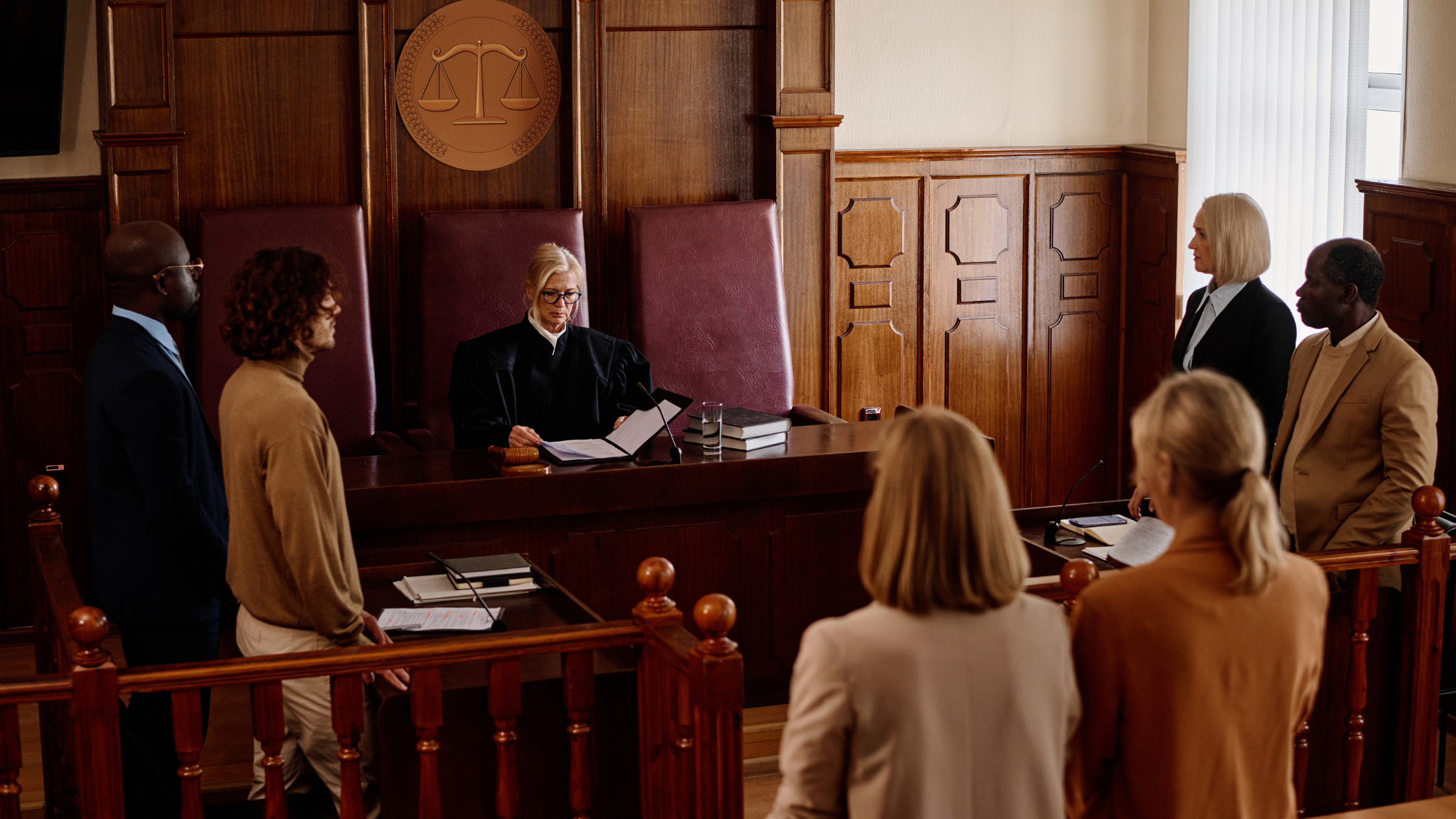
The first words you say in court can shape everything that follows. When you are weighing up guilty plea vs not guilty, you are not just choosing a box on a form. You are making a decision that can affect your penalty, your criminal record, your licence, your job, and in some matters, your freedom.
This is where many people get it wrong. They assume pleading guilty is the quickest way to get it over with, or they plead not guilty because they feel shocked, angry, or misunderstood. Neither approach is strategic on its own. The right plea depends on the evidence, the charge, the available defences, and what outcome is realistically open to you.
Guilty plea vs not guilty – what is the difference?
A guilty plea is an admission that you committed the offence as charged, or as amended by agreement. Once you plead guilty, the case usually moves to sentence. The court then focuses on penalty rather than whether you did it.
A not guilty plea means you deny the offence or say the prosecution cannot prove it beyond reasonable doubt. The matter then moves into the defended hearing process, where the prosecution evidence is tested and a magistrate or jury decides the result.
That sounds simple, but in practice the choice is rarely simple. Some people are factually guilty but have a legal defence. Others believe they are innocent but the evidence against them is strong. Some are charged with an offence that does not properly match what happened. A plea should never be based on panic, guilt, or pressure from police.
When a guilty plea may be the right move
A guilty plea can be the strongest strategic option when the prosecution case is solid and there is no viable defence. In NSW, an early plea can also lead to a sentencing discount. That does not mean the matter becomes minor, but it can reduce the penalty you receive.
For many people, the real question is not whether they made a mistake. It is how to limit the damage. If the evidence is overwhelming – such as admissions, CCTV, police observations, forensic material, or reliable witness evidence – fighting the matter without a proper basis can make things worse. You may lose the benefit of an early plea and still be found guilty later.
A well-prepared guilty plea is not about surrender. It is about damage control through strategy. That may involve negotiating the facts, seeking withdrawal of more serious charges, preparing character references, obtaining treatment material, addressing rehabilitation, and presenting your circumstances properly in court.
Benefits of pleading guilty
The main benefit is usually sentence leniency. Courts can take an early plea as a sign of remorse, acceptance of responsibility, and willingness to save court time. In some matters, that can make a real difference to whether you receive a fine, community-based order, or something more serious.
A guilty plea can also resolve the matter faster. That means less stress, fewer court dates, and earlier certainty. For someone whose licence, work, or family situation is under pressure, speed and certainty can matter.
But speed should never come at the cost of good advice. Pleading guilty too early, before the evidence is reviewed, can shut down options that may have been available.
When pleading not guilty may be the right decision
A not guilty plea is appropriate where you dispute the allegation, the police cannot prove an essential part of the offence, or a legal defence may apply. It is also the right approach where the facts alleged are seriously wrong and the dispute cannot be fixed through negotiation.
In criminal and traffic matters, police often charge first and sort the detail later. That does not mean the charge is automatically correct. Witnesses can be mistaken. Procedures can be flawed. Identification can be unreliable. Police may have acted unlawfully, or there may be a dispute about intent, knowledge, self-defence, duress, or necessity.
Pleading not guilty gives your lawyer the opportunity to test the prosecution case properly. That can expose weaknesses the court would never hear about if you simply admitted the offence.
Risks of pleading not guilty
The obvious risk is that you may be convicted after hearing. If that happens, you may lose any utilitarian discount available for an early plea. The process also takes longer, costs more, and can be emotionally draining.
There is another risk people do not always appreciate. If your defence is poorly prepared or unrealistic, you can damage your credibility before the court. A not guilty plea should be backed by a clear strategy, not hope.
The key question is not moral guilt
Clients often say, “I did something wrong, but not what they are saying.” That is common. The court process is not just about whether you feel bad about the situation. It is about whether the prosecution can prove a specific offence beyond reasonable doubt.
Take a traffic matter as an example. You may accept you were driving, but dispute the reading, the police procedure, or whether you were actually over the legal limit at the relevant time. In an assault matter, you may accept there was a physical incident but say you acted in self-defence. In a drug matter, you may dispute possession, knowledge, or the legality of the search.
That is why guilty plea vs not guilty should always be analysed charge by charge, element by element. A person can be morally regretful and still have a proper basis to plead not guilty.
What should be reviewed before entering a plea?
Before you decide how to plead, the prosecution material should be examined carefully. That usually includes the facts sheet, witness statements, police notebook entries, body-worn footage, CCTV, forensic results, photographs, certificates, and any record of interview.
Your lawyer should also consider whether the police can actually prove each legal element of the offence, whether any evidence can be challenged, and whether there is scope to negotiate the charge or the facts. In many NSW matters, this step is where the real strategy begins.
Sometimes the best result is neither a straightforward guilty plea nor a full defended hearing. It may be a negotiated outcome where the prosecution agrees to withdraw one charge, amend the facts, or accept a plea to a less serious offence. That can significantly change the sentencing landscape.
How the court may view each plea
Courts do not punish people simply for pleading not guilty. You have a right to make the prosecution prove the case. That said, courts can give tangible credit to people who plead guilty early because it shows acceptance of responsibility and saves time and resources.
The practical difference can be significant in sentencing. An early guilty plea may support an argument for greater leniency, especially where there is genuine remorse, early rehabilitation, and a low risk of reoffending. A late guilty plea, especially after the matter has progressed substantially, may carry less weight.
If you plead not guilty and succeed, you avoid a conviction on that charge. If you plead not guilty and lose, the court will sentence you on the evidence it accepts after hearing. The result may still be manageable in some matters, but the pathway is different and the margin for error is smaller.
Guilty plea vs not guilty in serious matters
In more serious criminal matters, the stakes are much higher. Issues around admissibility, forensic evidence, disputed facts, mental health, intention, and credibility can be decisive. A rushed plea in a serious matter can have life-changing consequences.
This is particularly true where imprisonment is a real possibility, or where the allegation affects your future work, family arrangements, travel, or reputation. What looks like a quick resolution at the first court date can become a lasting problem if the plea was wrong.
Experienced defence lawyers approach plea decisions with discipline. They do not assume a charge should be accepted because the police say so. They also do not encourage a defended hearing unless there is a sound basis for it. The goal is to protect your position and pursue the best possible outcome, not to make the case longer for the sake of it.
Do not plead just to get it over with
Pressure makes people say yes to things they do not fully understand. That happens every day in court. A person is embarrassed, frightened, worried about missing work, or desperate to move on. So they plead guilty before the brief is even served, or plead not guilty without understanding what will need to be proved.
Both mistakes can be costly.
If you are facing court in Sydney or elsewhere in NSW, get advice before entering a plea wherever possible. A proper assessment can tell you whether the case should be contested, whether negotiations are available, and what the likely sentencing range looks like if you do plead guilty. Firms such as KRAYEM & CO Lawyers deal with these decisions daily because plea strategy is not theory – it is often the turning point in the case.
A plea is more than a procedural step. It is a legal decision with real consequences, and it should be made with a clear head, a full understanding of the evidence, and a strategy built around protecting your future.