
A positive roadside saliva test can feel like the case is already over, particularly when police suspend your licence or issue a court attendance notice on the spot. It is not. If you need to challenge a roadside drug test in NSW, the first step is to understand exactly what police allege happened, what was tested, and whether the legal process was followed from roadside stop to laboratory result.
For many drivers, the consequences reach well beyond a fine. A drug-driving charge can put your licence, job, family responsibilities and reputation under pressure. Acting early gives your lawyer the best opportunity to identify weaknesses, preserve relevant material and prepare a clear defence strategy.
Can You Challenge a Roadside Drug Test in NSW?
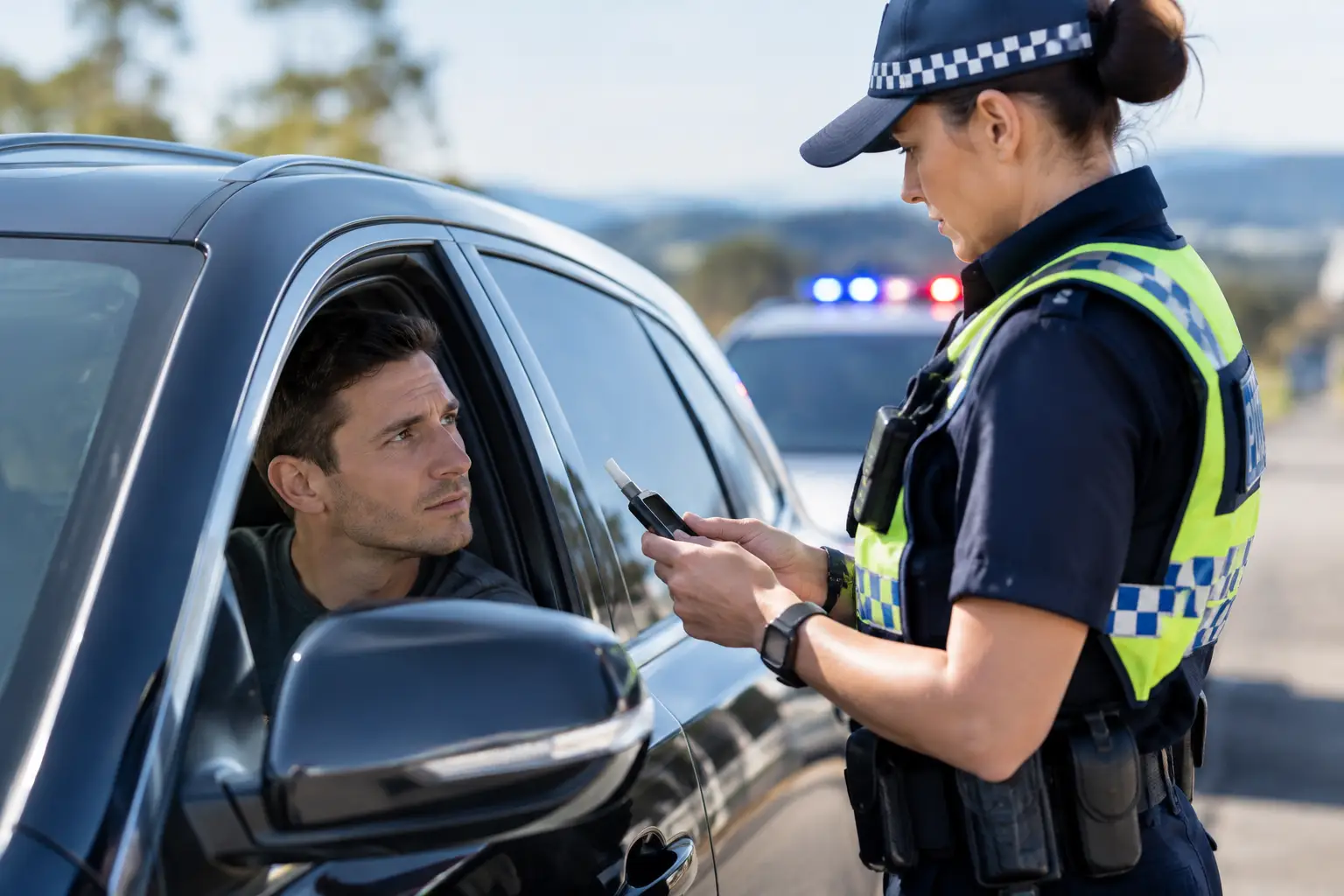
Yes, but a challenge needs to be based on evidence and the law, not simply the fact that you feel sober or believe the result was unfair. In NSW, police commonly conduct mobile drug testing using an oral-fluid, or saliva, screening device. A preliminary positive result can lead to further testing and, depending on the process and result, a charge.
The prosecution must still prove the elements of the offence beyond reasonable doubt. That may include proving you drove or attempted to drive, that police lawfully required the test, and that a prescribed illicit drug was present in the relevant sample.
A roadside test is not necessarily the final piece of evidence. The documents, samples, testing records and police observations all matter. A lawyer can assess whether the evidence supports the charge and whether there is a proper basis to contest it.
A Positive Result Does Not Always Mean Impairment
One of the most difficult aspects of NSW drug-driving law is that some offences concern the presence of a prescribed illicit drug, rather than whether you were actually impaired. You may feel completely capable of driving, have slept overnight, or show no poor driving behaviour. That does not automatically answer a presence-based charge.
This is especially relevant to cannabis. THC can remain detectable after the effects a person associates with being affected have passed. Medicinal cannabis can also create serious legal risk for drivers in NSW. A prescription does not automatically resolve a roadside drug-driving allegation.
That may feel harsh, but it also means the defence should focus on the legal evidence in your individual matter. The question is not always whether you appeared affected. It may be whether the prosecution can prove a reliable, lawfully obtained positive result for the alleged drug.
Where a Drug Test Case Can Be Contested
Every case turns on its own facts. A defence lawyer should obtain and scrutinise the prosecution material before advising whether to plead guilty or fight the matter. Potential issues can include the following.
Was the police requirement lawful?
Police have broad powers to stop drivers and require drug tests in NSW. Even so, those powers must be exercised lawfully. The circumstances of the stop, the wording of any requirement, the identity of the officer and the sequence of events can matter.
A minor inconsistency will not always defeat a charge. However, where the evidence does not establish a lawful requirement or is materially unreliable, it may create a defence issue that needs to be tested in court.
Was the testing procedure followed?
Testing devices and collection procedures are governed by rules. The prosecution evidence should show what test was conducted, when it occurred, how the sample was handled and what result was obtained.
Your lawyer may examine whether the required steps were followed, whether the records are complete and whether there is any gap between the roadside process and later analysis. Procedure alone is not a technicality when it affects the reliability or admissibility of evidence.
Is the analytical evidence reliable?
The prosecution may rely on a certificate or laboratory analysis to prove the presence of a drug. Those records can be powerful evidence, but they should not be accepted without review.
Issues can arise around sample identification, chain of custody, testing methodology, documentation and whether the result is capable of proving the particular allegation. An experienced traffic lawyer knows what material to request and how to identify a genuine evidentiary weakness.
Can police prove you were driving?
In some matters, police do not directly see a person driving. There may have been an accident, a parked vehicle, a handover between drivers or a dispute about who was behind the wheel. If identity or driving is not clear, that can be central to the defence.
Are the police facts accurate?
Police notes are often prepared quickly, sometimes in busy roadside conditions. Check the details while they are fresh in your mind. The time, location, who was present, what was said, whether you were offered further testing, and any medication you disclosed may all become relevant.
What to Do After a Roadside Drug Test
Do not try to argue your entire case at the roadside. Stay calm, provide your details and avoid making guesses or admissions. Refusing or failing to provide a sample can be a separate and serious offence, so do not treat refusal as an easy alternative.
Once you are safe and able to do so, write down a detailed account. Record the location, time, officers involved, sequence of tests, anything you ate or drank beforehand, medication taken, and any conversation with police. Keep your court notice, suspension paperwork, receipts and any test-related documents together.
You should also get legal advice quickly, particularly if your licence has been suspended or you rely on driving for work, caring responsibilities or medical appointments. There may be strict timeframes for responding to suspensions, lodging appeals or preparing for court.
Should You Plead Guilty or Defend the Charge?
The right approach depends on the evidence, your traffic history, the type of allegation and the practical consequences for you. A person with a clear evidentiary defence should not plead guilty simply because the process feels intimidating. Equally, running a weak defence can increase stress, cost and the risk of a less favourable outcome.
If the evidence is strong and you decide to plead guilty, preparation still matters. The court can consider your personal circumstances, need for a licence, rehabilitation, prior record, early plea and demonstrated insight. Character references, a properly prepared letter of apology and evidence of counselling or treatment may assist in the right case.
A guilty plea is not a one-size-fits-all exercise. The objective may be to avoid a conviction where legally available, reduce the disqualification period, minimise financial penalties or protect your ability to work. The likely outcome depends on the charge and your circumstances.
How a Lawyer Builds a Defence
A proper defence begins with the brief of evidence, not assumptions. Your lawyer can seek disclosure, examine certificates and police statements, assess the legality of the procedure and advise whether negotiations, representations or a defended hearing are appropriate.
At KRAYEM & CO Lawyers, the focus is on taking control of the case early, identifying the pressure points in the evidence and protecting what is at stake for you. That may mean a firm challenge to the prosecution case, or strategic advocacy designed to achieve the best available outcome if a plea is the sensible course.
Do not let a positive roadside test convince you that you have no options. Get advice before making decisions that affect your licence, livelihood and future, and make sure your case is assessed on the evidence rather than fear.