

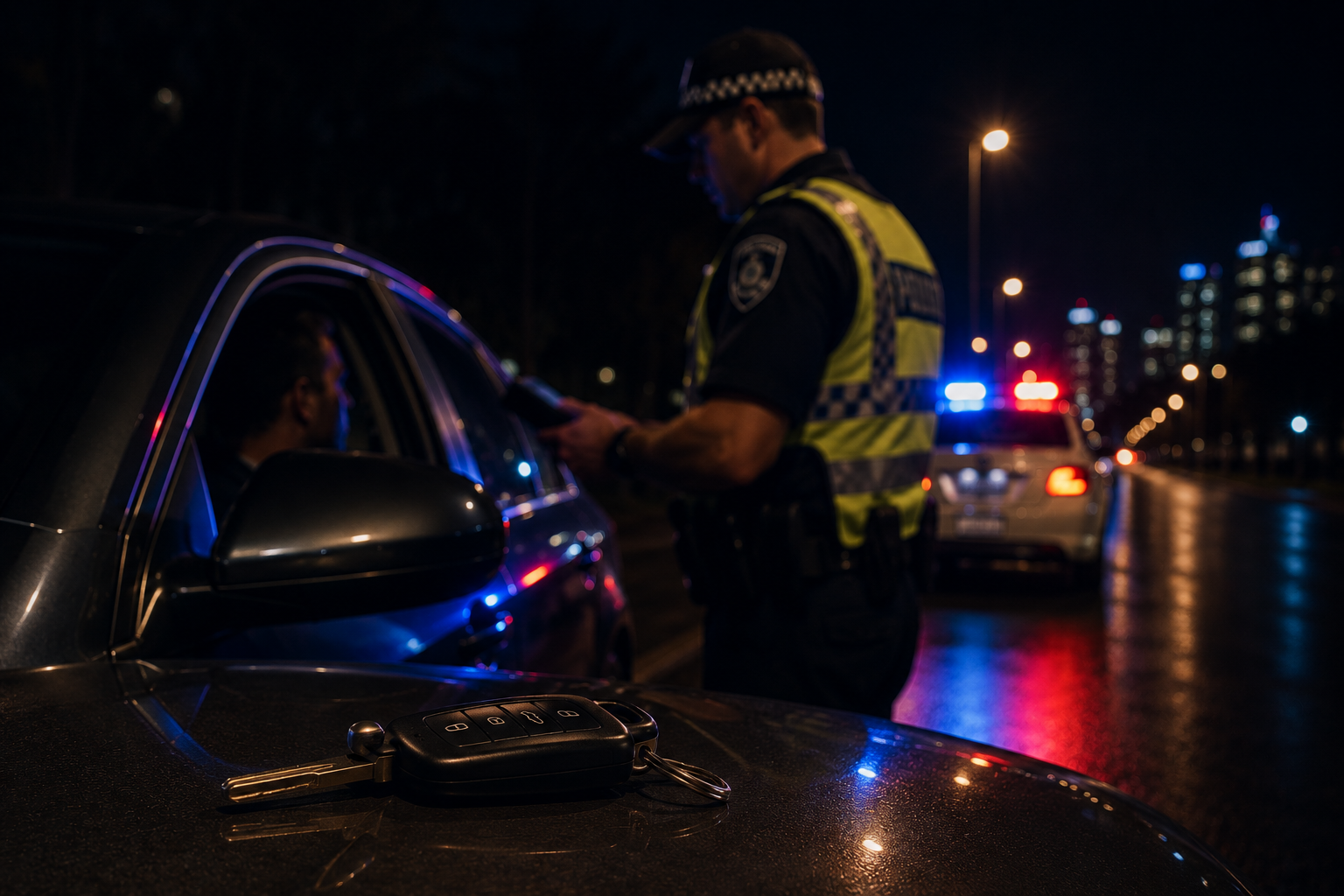
A drink driving charge can put your licence, job, insurance and reputation on the line in a matter of weeks. For many drivers, the first question is whether a section 10 for drink driving is still possible. The short answer is yes, sometimes – but it depends heavily on the facts, your history, and how well your case is prepared before you step into court.
What section 10 for drink driving means
In NSW, what many people still call a section 10 is now dealt with under the Crimes (Sentencing Procedure) Act as a conditional release order without conviction, or in some cases an outright dismissal without conviction. The older term remains common because lawyers, police and defendants have used it for years.
When people ask about section 10 for drink driving, they are asking whether the court can find the offence proved but avoid recording a conviction. That matters because a conviction for drink driving usually triggers a disqualification period, a criminal record outcome, and flow-on consequences for work and daily life.
A section 10 outcome is not automatic, and it is not available just because you are sorry or because losing your licence would be difficult. Magistrates in NSW look closely at the offence, your personal circumstances and whether leniency is actually justified.
Can you get section 10 for drink driving?
Yes, but only in the right case. Drink driving is treated seriously in NSW because of the obvious risk to public safety. That means courts are cautious about non-conviction outcomes, especially where the reading is high, there was poor driving, an accident, a child in the car, or a prior traffic record.
That said, low range and some special range matters are more likely to be considered for a section 10 than mid range or high range offences. Even then, there is no guarantee. Two people with the same reading can walk into court and leave with very different results depending on preparation, driving history and the overall story behind the offence.
If your matter involves aggravating features, the path to a section 10 becomes much harder. If it is a first offence, the reading is at the lower end, there was no accident, and you have taken genuine steps to address the issue early, your prospects are stronger.
What the court looks at
The court does not decide these matters on one factor alone. It looks at the whole picture.
The reading and the objective seriousness
The blood alcohol reading matters. A low range matter is viewed differently from a high range matter. The closer the reading is to the bottom of the range, the more room there may be to argue for leniency. The closer it is to the top, the harder that argument becomes.
The magistrate will also consider how you were driving. If police stopped you at a random breath test and there was no dangerous driving, that is very different from weaving across lanes, speeding or colliding with another vehicle.
Your traffic and criminal history
A clean record helps. A history of prior drink driving, repeated traffic offences, licence suspensions or relevant criminal matters can seriously damage an application for a non-conviction order.
Courts want to know whether this was a one-off lapse or part of a pattern. If your record suggests repeated disregard for road rules, a section 10 is far less likely.
Need for a licence
Many people assume they will get a section 10 because they need a licence for work, family commitments or medical appointments. That is not enough by itself. Plenty of defendants need their licence. The court expects that.
Where licence need becomes powerful is when it is supported by evidence and tied to genuine hardship. For example, if disqualification would cause a serious impact on employment, dependants or a family business, that can assist – but only as part of a broader, well-prepared case.
Insight, remorse and rehabilitation
Courts respond better to genuine insight than to rehearsed apologies. If you understand why the offence was serious, accept responsibility early and take practical steps before court, that can make a difference.
Relevant steps may include completing the Traffic Offender Intervention Program, obtaining counselling where alcohol use is an issue, and gathering strong character references. These steps do not guarantee a section 10, but they show the court you are taking the matter seriously rather than turning up and hoping for mercy.
Why preparation matters so much
A section 10 application is not just a request. It is an argument supported by material. That is where many people come unstuck.
Turning up to court with no references, no evidence of need, no completion certificate for a traffic program and no clear explanation of the circumstances leaves the magistrate with very little to work with. On the other hand, a carefully prepared case can frame the offence properly, address the concerns the court is likely to have, and present you as someone deserving of leniency.
Preparation usually includes obtaining the police facts, reviewing whether they are accurate, collecting references in the proper format, preparing an apology letter where appropriate, gathering documents about work and family hardship, and deciding whether you should give evidence. In some cases, it may also involve challenging parts of the prosecution case or negotiating the agreed facts.
That is often where experienced representation changes the outcome. The law is only part of it. The presentation of the case matters.
When section 10 for drink driving is less likely
Some cases are simply harder than others. If your matter involves mid range or high range PCA, an accident, a collision, a very poor traffic history, driving while already suspended, or a second drink driving offence, the chances of a section 10 drop significantly.
That does not mean you should give up. It means the legal strategy may need to shift. In some matters, the realistic goal is to reduce the disqualification period, avoid a harsher penalty, or put forward strong sentencing material to secure the best available result. Good advice includes telling you when a section 10 argument is worth running and when it is unlikely to succeed.
Common mistakes people make
One of the biggest mistakes is pleading guilty too quickly without advice. Another is assuming the court will understand your circumstances without documents to prove them. Some defendants also hurt their case by using references that are poorly drafted, failing to disclose the offence properly to referees, or writing apology letters that minimise responsibility.
Self-representation is another risk. Drink driving matters can look straightforward, but the consequences are not. A conviction can affect work, travel, insurance and future court matters. If section 10 is your goal, the margin for error is small.
What to do before your court date
Act early. If you have been charged, get advice before entering a plea. The earlier your case is assessed, the more time there is to prepare material that actually helps.
In practical terms, that usually means enrolling in a traffic program if suitable, gathering character references from people who know you well, obtaining evidence about your employment and family responsibilities, and making sure any explanation you put before the court is accurate and consistent with the police facts.
If the case is in a Sydney Local Court, the approach should still be tailored to the particular magistrate, the charge, and your record. There is no one-size-fits-all formula. The strongest matters are built carefully, with a clear strategy from the start.
The real question is not just eligibility
People often ask, “Am I eligible for section 10 for drink driving?” That is only part of the issue. The better question is whether your case can be presented in a way that gives the court a proper basis to exercise leniency.
That is a more demanding question, but it is the one that matters. In the right case, a section 10 can protect your licence and your future. In the wrong case, chasing it without a realistic strategy can waste a valuable opportunity to secure the best outcome available.
If you are facing a drink driving charge, treat the matter with urgency. Courts do. The steps you take before the first mention can shape what happens at sentence, and sometimes that preparation is the difference between a conviction and a second chance.